"Bashert" by Conrad Singer Chapter 2 Conscription
two
CONSCRIPTION
I
was stood on the quayside of the Danube, poorly clothed as usual and
awaiting the arrival of the “Galateanu”. The paddle steamer was to
take me to Tulcea. There, I would join the infantry of the 33rd
Regiment. Because I came from a good school background, I was selected for
officer training. “ Mr. Singer”, you have cut your hair!” a pleasant
voice sounded in my ears. I found a Miss Zuckerman standing by me, a girl
I had adored from a distance but whom I had never dared to approach. She
explained that she was waiting for her husband to be, from Calati. My
dreams tumbled like a pack of cards. Throughout my life, there was to be a
recurring pattern of being unlucky in love.
On arrival at Tulcea, I reported to the Regimental Headquarters, at the camp, on the outskirts of town. There, I was issued with
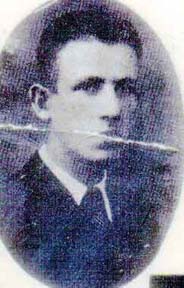
Age 16, before Army Service
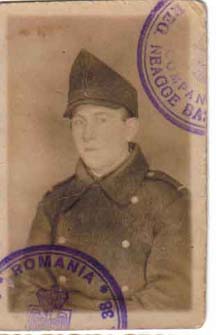
My conscription was to give me a good taste of army discipline. Tea with a chunk of bread was served as breakfast at 0630 hours. At 0700 hours, we began our physical training exercises, which were a major part of the daily routine. It was good for building a healthy body and, in later life, served me well. My Christian comrades saw me as being a tough young Jew and respected me, despite their anti-Semitic feelings. The N.C.O.s took to me because of my obvious commitment to soldiering.
Through a stroke of good luck, I was transferred back to my hometown. However, I came to regret this because it was to involve me in far greater hardship than I had suffered in my
One lieutenant took a dislike to me. His favourite punishment required the victim to fashion timber props. I responded with enthusiasm, which eventually affected the Senior Officer. Later, my Jewish colleagues and me were posted for guard duties, at the local prison. During that time, I discovered my father in a coma. I should have reported for night duty, at the prison, but chose instead to stay with him, as he died the same night. When I turned up, the following morning, the sergeant wanted to arrest me but I struggled free, scaled the prison wall and reported to the same colonel who had managed the original transfer. When he understood what had happened I was treated with clemency.